A World Without Pain: The Case for Universal Dental Care
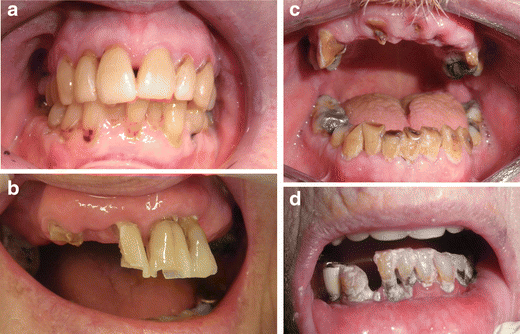
There is a kind of suffering that rarely makes headlines, yet affects billions of people around the world. It lives in untreated tooth decay, chronic gum disease, broken teeth, and infections that go untreated for years. It shows up as constant pain, difficulty eating, missed work or school, and the quiet loss of confidence that dental care houston tx comes from being unable to smile without shame.
Oral disease is among the most common health conditions globally. Billions of people experience untreated dental problems at some point in their lives. For many, care is either unaffordable or inaccessible. The result is a cycle in which preventable conditions become chronic, and treatable problems become emergencies.
This is not only a matter of comfort or appearance. It is a matter of health.
Poor oral health is closely linked with a range of broader medical conditions. Gum disease and chronic oral infections are associated with increased risks of complications in conditions such as diabetes and cardiovascular disease. In some cases, oral bacteria can contribute to serious infections, particularly in individuals with weakened immune systems. While the relationship between oral disease and systemic illness is complex, there is broad agreement in medicine: oral health is an essential part of overall health.
Despite this, dental care remains one of the most unequal parts of healthcare systems worldwide. In many countries, dental services are not covered by public insurance or only partially covered, leaving people to delay treatment until pain becomes severe. By that point, care is often more invasive, more expensive, and less effective than early intervention would have been.
People in pain are not happy people. They are moody, grumpy, and sharp. They can't be blamed for that. "Ouch!" is the truth. Pain changes how people act. It steals their peace. It steals their joy.
Regular check-ups are the key. Seeing a dentist every six months, getting cleanings, early detection of decay, and fluoride treatments, stops pain before it starts. Regular visits prevent 70% of serious dental problems.
Preventive maintenance over time will change the world. Over years, fewer people will have bad teeth. Fewer infections. Fewer emergencies. Preventive care is the key to ending the cycle of pain.
Studies suggest that preventive dental care can reduce the need for costly emergency procedures and may lower overall healthcare spending for related conditions. For every dollar spent on preventive care, patients save $8 to $50 in restorative and emergency treatments later.
The economic argument is only part of the picture. The human impact is just as important. When people access basic dental care, they eat comfortably, maintain nutrition, avoid preventable pain, and participate fully in daily life. Children attend school consistently. Adults work without interruption from dental emergencies.
Addressing this problem requires coordinated effort. Governments can expand public coverage for essential dental services and integrate oral health into primary care systems. Insurance providers can treat dental care as a core health need rather than an optional add-on. Public health programs can expand prevention, especially in underserved communities. Investment in workforce training and community clinics can help close gaps in access.
None of this requires redefining dentistry. It requires treating it as what it already is: essential healthcare.
No one should be forced to live with untreated dental pain because of cost or geography. No one should lose basic function eating, speaking, smiling because care was out of reach. These are not luxuries. They are part of living in health and dignity.
Regular check-ups mean fewer people with bad teeth. A healthier world. Lower insurance costs. Less pain. More smiles. Less moody people. More happy people.
A more effective approach to dental care would not eliminate every health challenge, but it would prevent a large amount of avoidable suffering and reduce long-term strain on healthcare systems. More importantly, it would address a problem that is already well understood and largely preventable.
A world with accessible dental care is not an unrealistic ideal. It is a policy choice.
And it is one worth making.
Thanks for Reading
Roy Dawson
Earth Angle Master, Magical Healer, Singer, Songwriter, Prophet, Poet